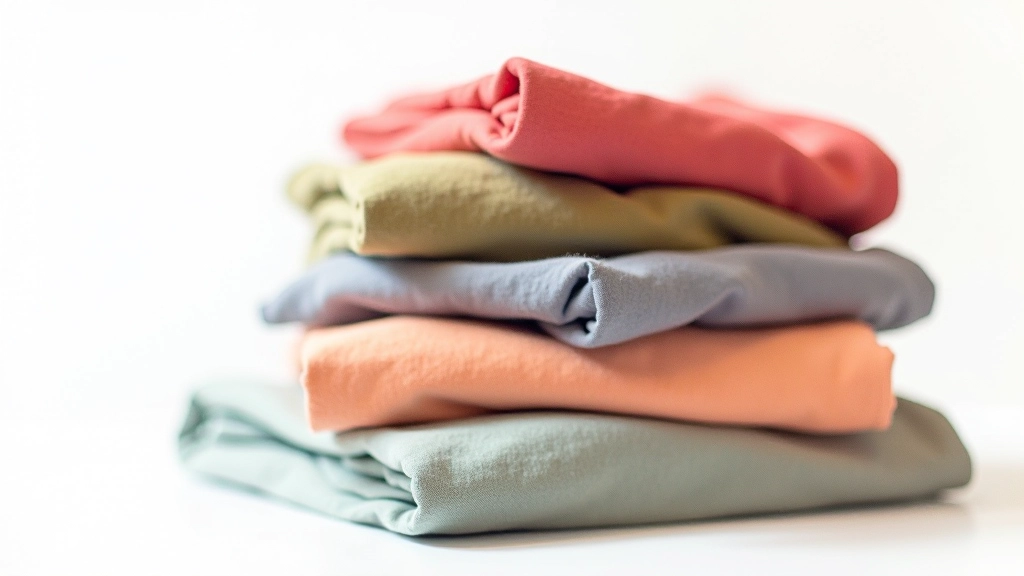


Spring: Foundation Building Starts Here
Spring's the perfect time to assess what actually survived winter. You're not replacing everything—you're filling gaps. The goal? A solid foundation of basics that'll work for the next eight months.
Focus your spring budget on lightweight layers. Think cotton t-shirts, linen blouses, and cardigans in neutral colors. These pieces aren't seasonal—they're workhorses. A well-fitting white linen shirt costs maybe 120 Turkish Lira at a decent chain store, and you'll wear it constantly from March through September.
Spring sales in Turkey typically hit late April and early May. That's when you'll find deals on end-of-season winter stock. But here's the thing—don't buy winter pieces just because they're discounted. You won't wear them for six months.
- White cotton t-shirts (buy 2-3 in spring)
- Lightweight cardigans in cream or beige
- Neutral trousers that fit properly
- One quality denim jacket

"The mistake most people make is buying for one season only. A light sweater isn't just for spring—it works in autumn too. You're actually doubling your investment when you think about it that way."
— Fashion economist perspective
Budget Planning Note
The prices and timelines mentioned here are based on typical Turkish retail patterns as of 2026. Actual sale dates, inventory, and prices vary by store and region. Use this as a general framework for your own planning, not as a guarantee. Every wardrobe is different—adapt these suggestions to what actually works for your lifestyle and climate.
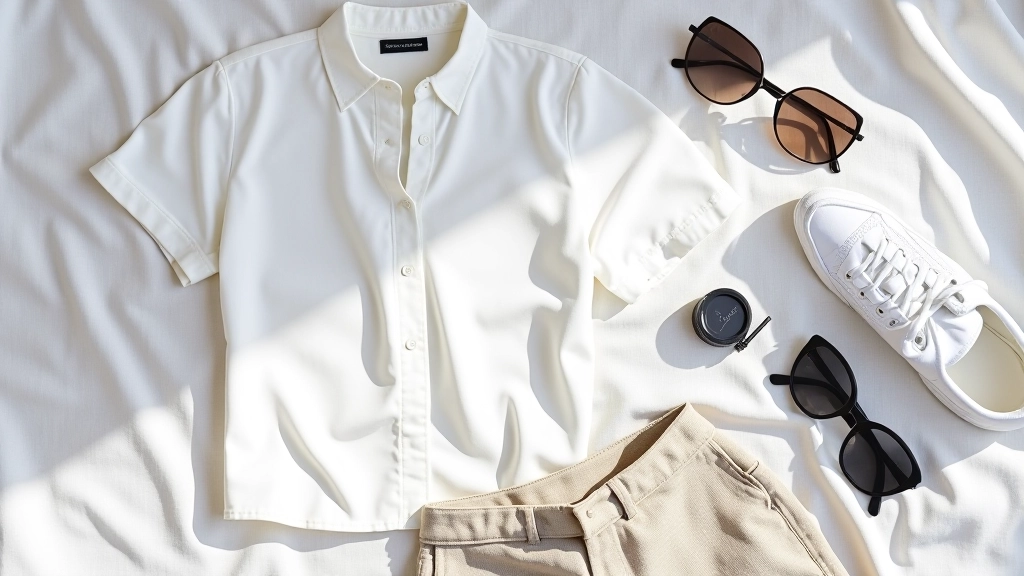
Summer: Quality Basics That Won't Wilt
Summer's brutal on clothes. Heat, sweat, and constant washing break down fabric fast. So you're not going to buy cheap here—you're going to buy smart. That means natural fibers: linen, cotton, and blends that breathe.
Most people overspend on summer because they think they need tons of different pieces. You don't. You need maybe five solid cotton t-shirts (white, black, cream, one patterned, one in a neutral color), two pairs of linen shorts, and lightweight trousers for occasions when jeans are too heavy. Rotate them constantly so no single piece wears out in a month.
June through August is when you'll find summer stock everywhere, but July tends to be the dead zone—people aren't shopping in peak heat. August sees sales starting as retailers prepare for autumn stock. That's your window for end-of-summer deals on pieces you'll actually still wear.
Autumn: The Layering Sweet Spot
September through November is when your wardrobe actually gets interesting. Temperatures are inconsistent—cool mornings, warm afternoons. That's why layering's crucial, and why your spring investment in cardigans and lightweight sweaters pays off now.
Autumn's also when you finally buy real knitwear. Sweaters in merino wool or wool blends last years if you care for them properly. A decent sweater from a Turkish chain might run 200-250 Turkish Lira. Not cheap, but worn regularly for three months, then occasional layering through winter—that's solid value.
September sales are massive in Turkey. Back-to-school stock clears out, and autumn lines hit shelves. That's when you hunt for transitional pieces. A quality blazer in neutral color, a few long-sleeve tops, maybe one pair of ankle boots if your budget allows. September is also when smart people stock up on basics before winter prices climb.
By October, you're mostly done with autumn buying. Focus shifts to making what you have work harder through the colder months ahead.

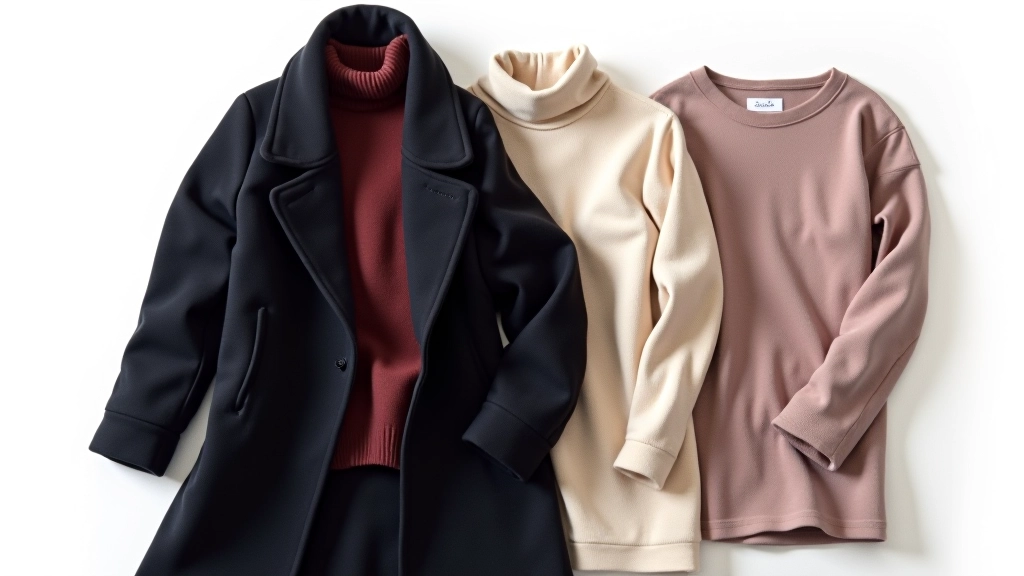
Winter: Investing in Pieces That Matter
Winter's the expensive season—there's no way around it. A decent coat costs money. But you're not buying multiple coats. You're buying one really solid piece that fits well and works with everything in your wardrobe.
Dark colors dominate winter. Blacks, grays, navies, deep burgundy. This is actually good for budgets because you're building on what you already have. Those summer t-shirts? They work under sweaters. Spring trousers? Layer them with thermal tights. You're not replacing—you're extending.
November sales start rolling in before December holidays. This is risky—you might get caught in "holiday shopping" mode and overspend. Stick to your list. Winter sales in Turkey continue through January and February as retailers clear cold-weather stock. January's usually the best month for deals on coats and sweaters you might've missed in November.
One solid winter coat (300-500 Turkish Lira if you're patient with sales), two or three good sweaters, dark jeans, and layers underneath. That's genuinely all you need. Add one pair of boots if budget allows, but honestly? Good leather sneakers work just fine with winter clothes.
The Real Strategy: Building Across Seasons
Here's what separates smart budget shopping from just... buying stuff. You're not thinking "I need a summer wardrobe." You're thinking about pieces that work across multiple seasons. A cream linen shirt works in spring, summer, and autumn. A good sweater works in autumn, winter, and early spring. When you buy with overlap in mind, your budget stretches way further.
Your color palette should be intentionally limited. Stick to three or four neutrals (white, cream, black, navy, or gray) and maybe one secondary color that you genuinely love. Every piece you buy should work with most other pieces. That sounds restrictive—it's actually liberating. You'll get more outfits from fewer clothes.
The other thing? Stop buying things "just in case." You don't need a fancy dress in every color. You need one or two well-fitting dresses in colors that actually work for your life. You don't need seven pairs of jeans. You need maybe two pairs that actually fit perfectly. Quality over quantity doesn't mean spending more money total—it means spending smarter.
Making It Work Year-Round
Stretching a budget across all four seasons really comes down to three things. First, buy basics that overlap seasons—pieces that work in spring and autumn, or summer and winter with layers. Second, time your purchases around actual sales (not just when stores have sales signs everywhere). And third, resist the urge to have a completely different wardrobe every quarter.
Your spring basics become summer layering pieces. Your autumn sweaters work in winter too. You're not replacing everything—you're thoughtfully adding pieces that extend what you already have. That's how you make a modest budget work across twelve months.
Start small. This quarter, focus on what matters most for the current season. Build your neutrals first. Add color only after you've got solid basics in place. And always, always check the seams and fabric quality before you buy—even on sale. A cheap piece that falls apart after three months isn't a deal.