
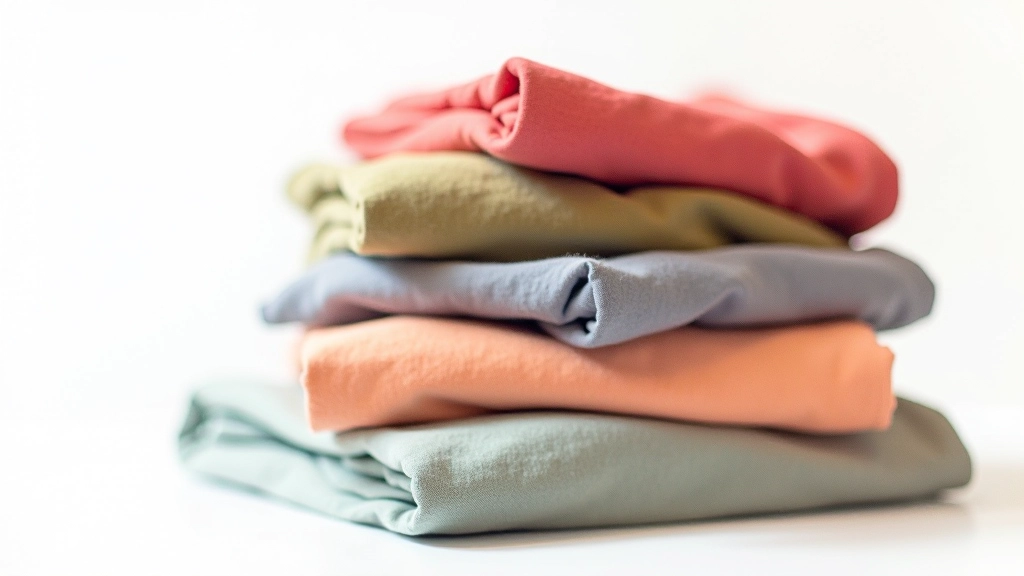
Why You're Overlooking What's Already in Your Closet
Here's something we don't talk about enough: most people have enough clothes. The real challenge isn't buying more — it's actually seeing what you've got and realizing how many combinations you're missing. You'll wear maybe 20% of your wardrobe regularly, but that doesn't mean the other 80% is useless. It's usually just invisible to you.
The trick isn't complicated. It's about perspective. When you look at individual pieces, they seem boring or limited. But when you start layering them differently, pairing unexpected items, and thinking about proportions and contrast instead of matching sets, everything changes. You're not creating new clothes — you're creating new looks from what's already hanging there.

Note: This guide is informational and based on fashion economics principles and styling practices. Your own wardrobe situation is unique — consider your body type, climate, lifestyle, and personal preferences when applying these ideas. What works for one person's wardrobe might need adjustment for another's.
The Five Combination Techniques That Work
Contrast Layering
Pair opposite colors or tones together. Dark with light, muted with bright, structured with soft. A navy blazer you've worn with the same trousers for two years suddenly looks fresh over a cream t-shirt and different jeans. The items haven't changed — the relationship between them has.
Proportion Play
Tight top + loose bottom. Long cardigan + fitted dress. Oversized shirt + slim trousers. You've probably got these pieces already. Wearing them in unexpected combinations creates visual interest without buying anything new. It's about balance, not about individual items.
Texture Mixing
Smooth silk blouse with chunky knit cardigan. Soft cotton with structured denim. Matte with glossy. Texture differences make combinations feel more intentional and polished, even when you're just using basics. Most wardrobes have more texture variety than people realize.
Unexpected Layering
Wear a dress over a t-shirt. Pair a shirt you'd normally wear alone with a slip dress underneath. Layer a tank over a long-sleeve top. These aren't complicated tricks — they're just ways of seeing pieces as modular building blocks instead of standalone outfits.
Styling the Accessories
A belt changes everything. So do shoes, a scarf, or a bag. The same outfit looks completely different with a structured blazer versus a denim jacket. You don't need new clothes — you need to change what's paired with them. Accessories are the easiest way to do this.
How to Actually Find These Combinations
This is where most people get stuck. You know in theory that combinations exist, but actually finding them feels overwhelming. Here's the reality: you don't need a system. You need to change how you look at your closet.
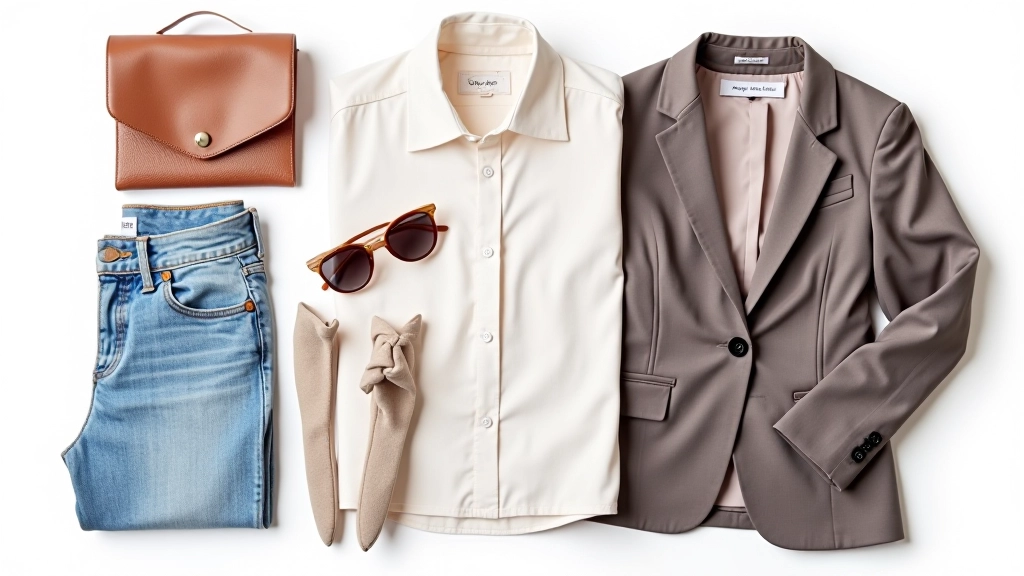
Pull out everything that's the same color family. Three blue items can make six different outfits depending on what you pair them with. Take one piece — say a white shirt — and try it with five different bottoms. You'll be surprised. Most wardrobes have 30-40 genuinely wearable combinations hiding in plain sight.
Take photos. This sounds obvious, but it's not. Photograph the combinations you create. When you see them on your phone, you'll notice what works and what doesn't. You'll start to recognize patterns about proportions, colors, and styles that actually suit you.
Specific Combinations That Almost Always Work
The Neutral + Neutral + One Color Rule
Black trousers, white shirt, burgundy cardigan. Navy jeans, cream sweater, olive jacket. Two neutrals and one color from your palette. This combination works almost every time and uses pieces most people already own.
The Opposite Proportions Method
If the top is fitted, make the bottom loose. If the dress is oversized, add a fitted belt or structured jacket. This creates visual movement and prevents looking shapeless or too tight. It's a proportion game, not a size game.
The Monochrome Depth Shift
Three shades of the same color in one outfit. Light gray top, medium gray trousers, dark gray cardigan. It looks intentional and sophisticated, and you're probably already wearing these pieces separately.
The Dress-as-Base Technique
A dress you'd normally wear alone becomes three outfits when you add a slip underneath for summer, layer with a sweater for autumn, or pair with tights and a blazer for winter. Same dress. Different context. Different look.
The 15-Minute Wardrobe Audit
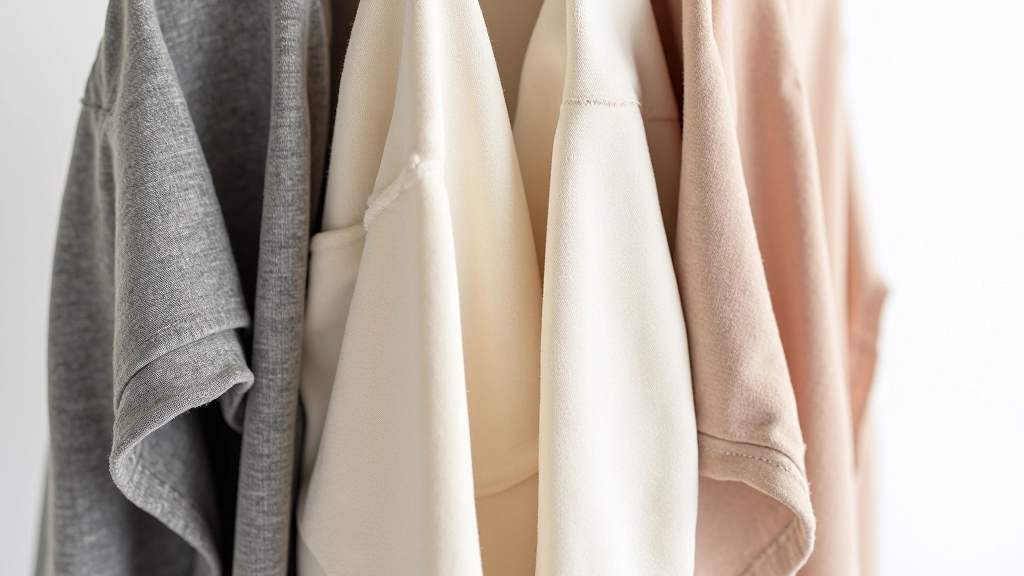
You don't need to overhaul everything. A quick audit reveals combinations you've been missing. Pull out one category — say all your tops — and lay them out. Look at what you already have. Can you pair that striped shirt with the jeans you usually wear with something else? Does that sweater work over a dress you've only worn standalone?
Most people find 5-8 new combinations in this process. It takes about fifteen minutes. You're not reorganizing or planning elaborate outfits — you're just seeing your clothes differently. The goal isn't a perfect system. It's actually wearing more of what you own.
Real example: A woman with a capsule wardrobe of 12 neutral pieces found she could create 28 distinct outfits by simply layering and pairing them differently. She wasn't buying anything new — she was just being intentional about how pieces related to each other.
You Already Have Enough
This is the hardest part: believing it. When you scroll through fashion feeds, it's easy to think you need more. But you don't. You need to see what you have differently. You need to understand that a white shirt isn't one outfit — it's the foundation for dozens. A pair of jeans isn't one look — it's a blank canvas.
The most expensive wardrobe mistake isn't buying cheap clothes. It's buying clothes you don't actually wear because you can't see how to combine them. So before you shop, actually explore what's already there. Layer it differently. Pair it unexpectedly. Take a photo. You might be surprised by what you've been overlooking.