
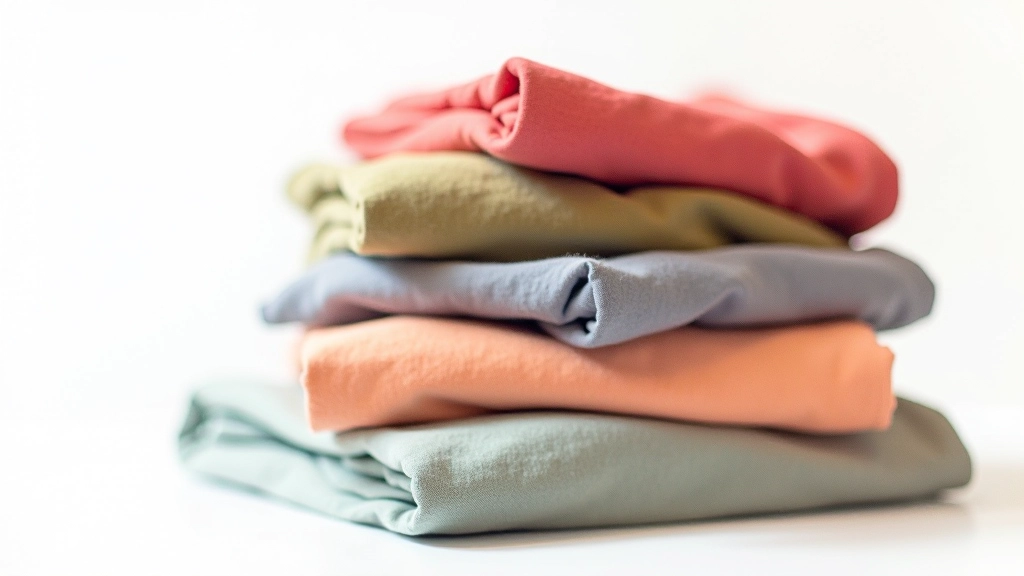
Quality Indicators in Affordable Clothing
How to check seams, fabric weight, and construction details before buying. Simple checks that reveal whether a piece will last a season or a year.

When you're shopping on a budget, you can't afford to waste money on pieces that fall apart after three wears. Thing is, quality doesn't always match the price tag — and that's where knowing what to look for makes all the difference. We're going to walk you through the actual checks you can do in-store, right there in the changing room, to spot pieces worth keeping versus ones destined for the donation pile.
This isn't about finding perfect items. It's about finding items that'll actually hold up. Let's start with the basics.
Seams Tell the Story
Seams are honestly the first thing we check. Run your finger along the inside of a shirt or pair of trousers — you're looking for tight, even stitching with no loose threads dangling around. Good seams sit flat against the fabric without puckering or pulling.
If the seam allowance is too narrow (less than half an inch), you're looking at something that'll likely fray or split with regular wear. We've seen this constantly with budget basics from some chains — they cut corners on construction to hit a price point. The stitch itself should be small and regular. Bigger stitches fail faster, especially on stretchy fabrics.
Quick check: Press your fingernail along a seam. If it separates easily from the fabric, skip that piece.

Fabric Weight and Density
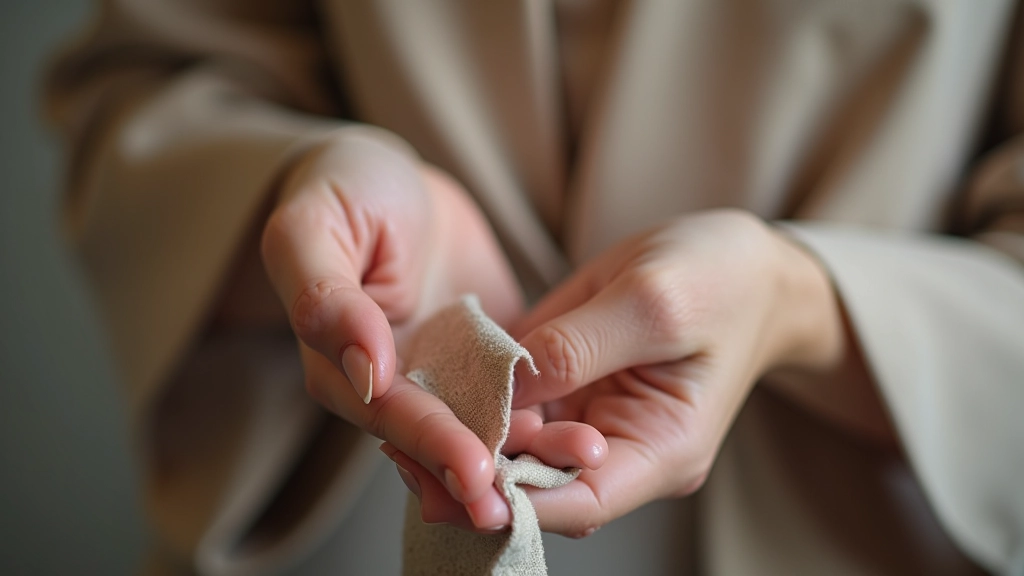
Pick up the garment. Does it feel substantial in your hands, or does it feel like you're holding tissue paper? That weight matters. Heavier fabrics generally last longer because they've got more fibres to break down over time. This doesn't mean everything needs to be heavy — a summer t-shirt won't weigh the same as a winter jumper — but within its category, you want density.
Check the label for fabric content. You're looking for natural fibres mixed with synthetics: 60% cotton with 40% polyester works well. Pure synthetics often pill quickly. Pure cotton without any stretch can be fine, but it'll wrinkle more. Hold the fabric up to the light. You shouldn't be able to see your hand through it. If you can, it's too thin for longevity.
- Knit fabrics: should have tight, even loops with no loose threads
- Woven fabrics: should feel crisp, not limp or flimsy
- Stretch fabrics: test the recovery — pull gently and release. Does it snap back?
The Details That Don't Get Skipped
Budget brands sometimes cut corners on finishing work, but the smart ones don't. This is where you spot the difference between a 200-lira shirt that lasts two seasons and one that barely makes it through one.
Hems and Cuffs
Flip the garment inside out. Hems should be folded properly and stitched evenly. Machine stitching is fine — hand-finished hems aren't necessary on affordable clothing. But the stitching should be straight, not wavering. Cuffs on sleeves and trouser legs shouldn't have loose threads or uneven edges.
Button and Fastening Quality
Try buttoning and unbuttoning a few times. Buttons shouldn't feel loose on their threads. Check the thread — if it's already showing wear or fraying, the button won't last long. Zip pulls should move smoothly without catching. Metal zips tend to last longer than plastic ones.
Collar and Neckline Reinforcement
Collars get a lot of wear. Feel inside the neckline — you should sense reinforcement fabric (interfacing) that helps it keep its shape. Without it, necklines stretch out quickly and never recover. This is a detail many budget brands skip, but good ones include it.
Label Attachment
The care label and size label should be securely stitched. If they're already coming loose in the shop, imagine how they'll be after a few washes. Check the label itself — does it feel flimsy or sturdy? Better quality garments have more substantial labels.
Disclaimer: This guide provides educational information about evaluating garment quality based on construction and materials. These are general indicators that may vary depending on fabric type, garment design, and manufacturer standards. Personal factors like care practices, frequency of wear, and storage conditions significantly impact longevity. Individual results vary, and quality indicators don't guarantee durability in all circumstances. Always check care labels and follow manufacturer instructions for maintenance.
Fit and Cut Matter More Than You Think
We talk about construction and materials, but fit is equally important. A beautifully made garment that doesn't fit properly will end up unworn — and that's money wasted. When you're trying something on, move around. Can you raise your arms comfortably? Does the fabric pull at the shoulders or bust? Does it bunch awkwardly anywhere?
Look at how the garment drapes. Cheap fabrics sometimes don't drape well — they stand away from your body stiffly or cling in unflattering ways. Good fabric, even affordable good fabric, flows naturally. This is partly about fabric quality and partly about cut. Turkish brands like Defacto and LC Waikiki tend to get this balance right for the price point.
Pay special attention to trouser crotch seams and underarm seams. These take the most stress during wear and movement. If the seams feel tight or uncomfortable in the shop, they'll only get worse after washing.

The Real Test: What Survives Washing
All these checks matter most because they predict how a garment will handle the washing machine. Weak seams fail in the wash. Thin fabrics pill and fade. Poor construction unravels. But here's the honest part: even pieces that pass all these tests won't last forever. Budget clothing is designed to be affordable, not heirloom-quality. The goal isn't finding pieces that last five years — it's finding pieces that last long enough to justify the purchase price.
If you spend 150 lira on a shirt and it survives two seasons of regular wear, that's a win. That's about 25 lira per wear, which is solid value. If it falls apart after five wears, that's a waste. These quality checks help you spot the difference before you take something home.
Shopping smart isn't about finding perfect pieces on a budget. It's about understanding what you're paying for and making informed decisions. The seams, the fabric, the details — they all tell you what kind of lifespan you can expect. Once you know what to look for, you'll naturally gravitate toward pieces that'll actually work for your wardrobe.
Related Reading